
Moisture is the silent destroyer of New Zealand residential property. In Christchurch’s variable climate—where freezing winter mornings give way to heavy rainfall and coastal winds—hidden water ingress can rot timber framing for years before visible dampness or mould appears on internal gib board.
Why Moisture Testing Is Essential for Canterbury Homes: Whether you are evaluating a 1990s monolithic plaster home in West Melton, a Mediterranean-style villa in Fendalton, or a modern architectural home with complex rooflines, a specialised weathertightness report in Cantebury is vital.
Leaky building syndrome is not confined to Auckland; thousands of South Island properties built between 1988 and 2004 feature direct-fixed cladding systems without adequate drainage cavities.
High-Risk Architectural Features to Watch For During a professional leaky building inspection in Christchurch, inspectors focus on several high-risk design elements:
- Monolithic Plaster & EIFS Cladding: Polystyrene or fibre-cement cladding applied directly to framing without an internal drainage cavity.
- Parapet Walls & Internal Gutters: Flat roofs or parapet flashing joints where water can pool and seep into ceiling voids.
- Recessed Windows & Missing Head Flashings: Windows installed without adequate metal head flashings or sill tray protection.
- Unenclosed Balconies Over Living Spaces: Tiled or membrane decks constructed over lower-level habitable rooms.
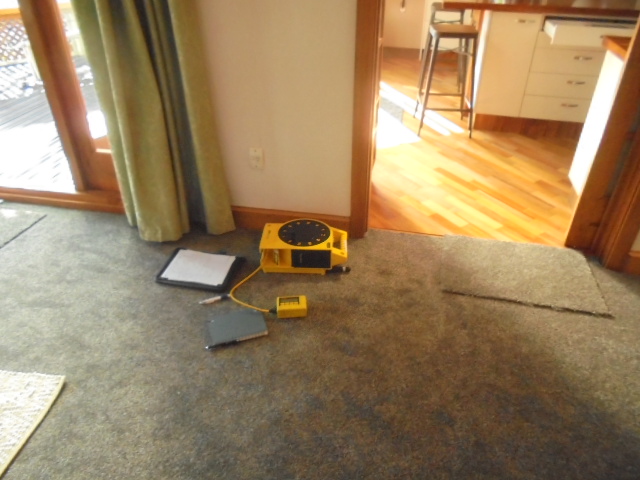
How Non-Invasive Moisture Testing Works: Modern building inspection technology allows LBP inspectors to detect moisture inside wall framing without drilling holes or damaging wall surfaces:
- Radio-Frequency Capacitance Scanning: Non-invasive moisture meters transmit electromagnetic signals into building materials up to 40mm deep, measuring dielectric properties to pinpoint trapped water behind plaster, tiles, or cladding.
- Thermal Infrared Camera Diagnostics: Thermal imaging cameras detect surface temperature differentials caused by evaporative cooling. Cold spots behind plasterboard often highlight active moisture leaks, missing insulation, or thermal bridging.
What Happens If Elevated Moisture Is Found? Discovering high moisture readings during a plaster house inspection in Christchurch does not automatically mean you must abandon the deal.
Detailed inspection reports provide exact moisture percentage readings and locations, allowing you to obtain specialist repair quotes, negotiate price reductions with vendors, or require remediation prior to settlement.
BuildQual NZ Ltd provides advanced non-invasive moisture scanning and weathertightness reports for home buyers and sellers across Christchurch. Schedule your moisture test at 03 421 6757 or visit buildqual.co.nz.