
Over a decade after the Canterbury earthquake sequence, legacy seismic damage remains one of the most common—and costly—traps for Christchurch home buyers.
Even in 2026, properties continue to enter the market with historic “cosmetic” repairs that masked deeper structural foundation issues, or unassigned EQC cash settlement claims that leave new owners uninsured.
The Top Hidden Quake Defects Found in Canterbury Homes: During an earthquake damage inspection in Christchurch, experienced inspectors frequently uncover defects that are completely invisible during a standard 15-minute open home walkthrough:
- Out-of-Level Foundations & Floor Slopes: Differential settlement occurs when different parts of a foundation sink unevenly. While a floor slope of a few millimetres may go unnoticed under carpet, a digital floor level survey reveals whether the building exceeds MBIE tolerance thresholds, signaling potential foundation failure or unaddressed liquefaction impact.
- Cosmetic Patching Over Structural Masonry Cracks: In many older brick veneer homes in suburbs like Cashmere, Shirley, or Dallington, structural cracks were filled with superficial plaster or paint without structural repointing or tie replacements. Over time, ground moisture penetrates these cracks, degrading internal framing.
- Compromised Roof Framing & Chimney Removal Points: Where heavy brick chimneys were removed post-quake, structural framing was sometimes inadequately re-supported. Incomplete roof truss bracing can result in sagging rooflines and localised roof leaks during winter storms.
EQC Documentation vs. On-Site Reality A common mistake buyers make is assuming that a “clean” EQC payout document or sign-off guarantee means the building is defect-free.
EQC (now Natural Hazards Commission Toka Tū Ake) claim summaries record historical cash settlements, but they do not guarantee that previous owners actually spent those funds on structural repairs.
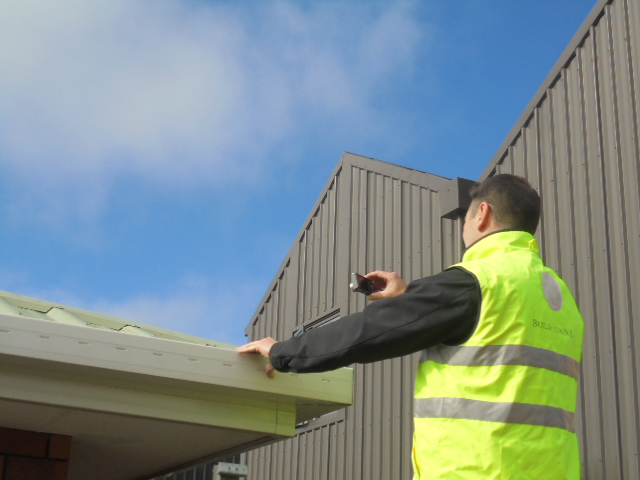
An expert structural building inspector in Christchurch compares official claim documentation directly against physical building evidence to verify whether:
- Underpinning or resin injection work was actually executed to engineering standards.
- Cracked ring foundations were re-engineered or simply covered with exterior plaster skim coats.
- Drainage lines and perimeter sewer pipes were re-sleeved and tested post-quake.
Protect Your Equity Before Going Unconditional: Failing to identify unrectified quake damage before purchasing can lead to denied insurance coverage, untransferable claims, or massive out-of-pocket repair bills when you eventually sell.
Ensure your agreement includes a dedicated building inspection clause.
BuildQual NZ Ltd specialises in comprehensive earthquake repair verification and structural property reports across Canterbury. Contact BuildQual at 03 421 6757 or request a quote online at buildqual.co.nz.